Diniyyah design project.

This is my Diniyah Poster Project there’s Hadist Poster, Mindmapping and many more I hope you enjoy it.

Aqidah & Morals poster

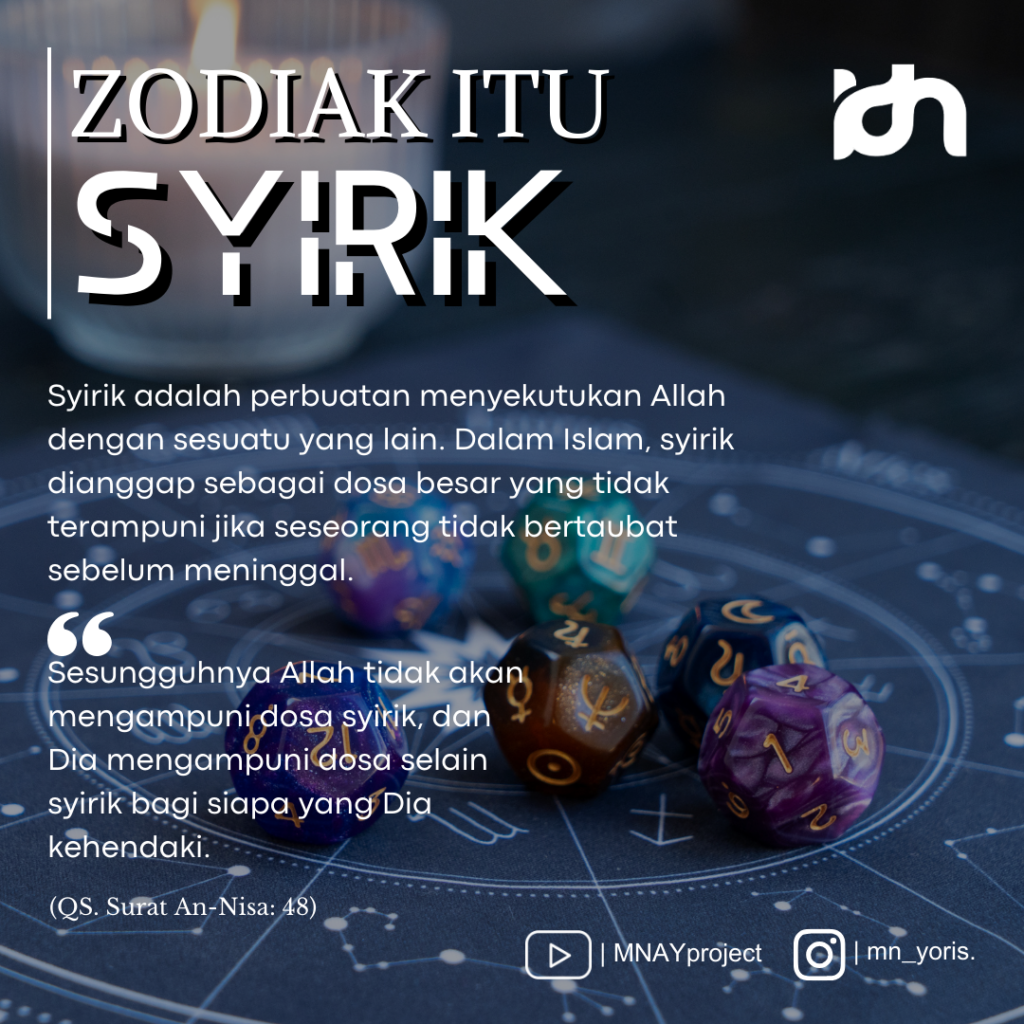
The zodiac is shirk

Reading the zodiac and believing it to determine a person’s fate or character carries risks related to the faith in Islam. The zodiac is included in predictions that are not based on science or valid postulates, 

but rather on speculation and belief in the power of stars or celestial bodies to influence human life. In Islam, this can lead to shirk (associating partners with Allah), because only Allah has full power over human destiny and life.

Hadist poster

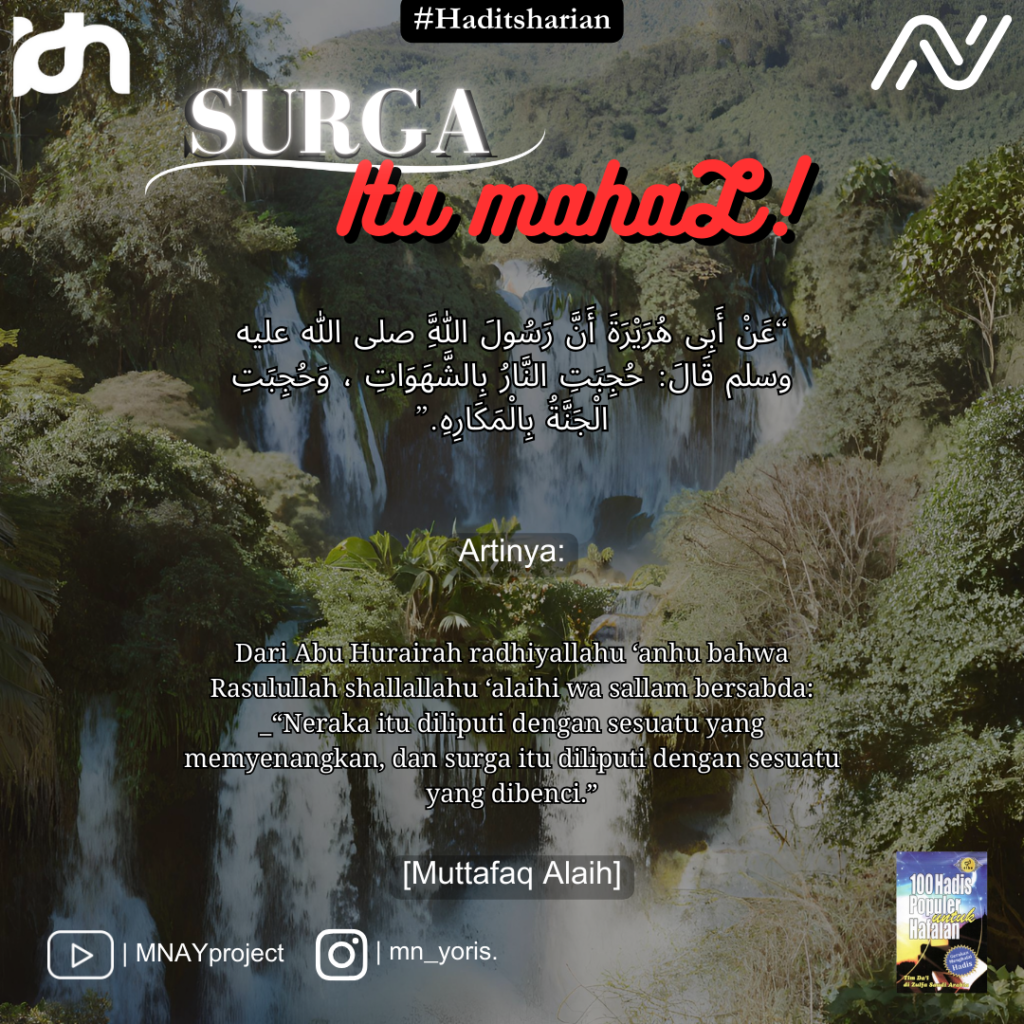
Heaven is expensive

Heaven is expensive reflects the Islamic teaching that entering paradise is a journey requiring considerable effort and sacrifice. A Muslim must strive to live righteously, resist worldly temptations, and maintain a strong relationship with Allah through consistent worship.

The idea of “expense” symbolizes the spiritual challenges, trials, and acts of devotion necessary to attain eternal bliss in heaven. It emphasizes self-discipline, patience, and moral integrity, as paradise is a reward for those who persevere through life’s difficulties with faith and obedience to God.


Atitude poster

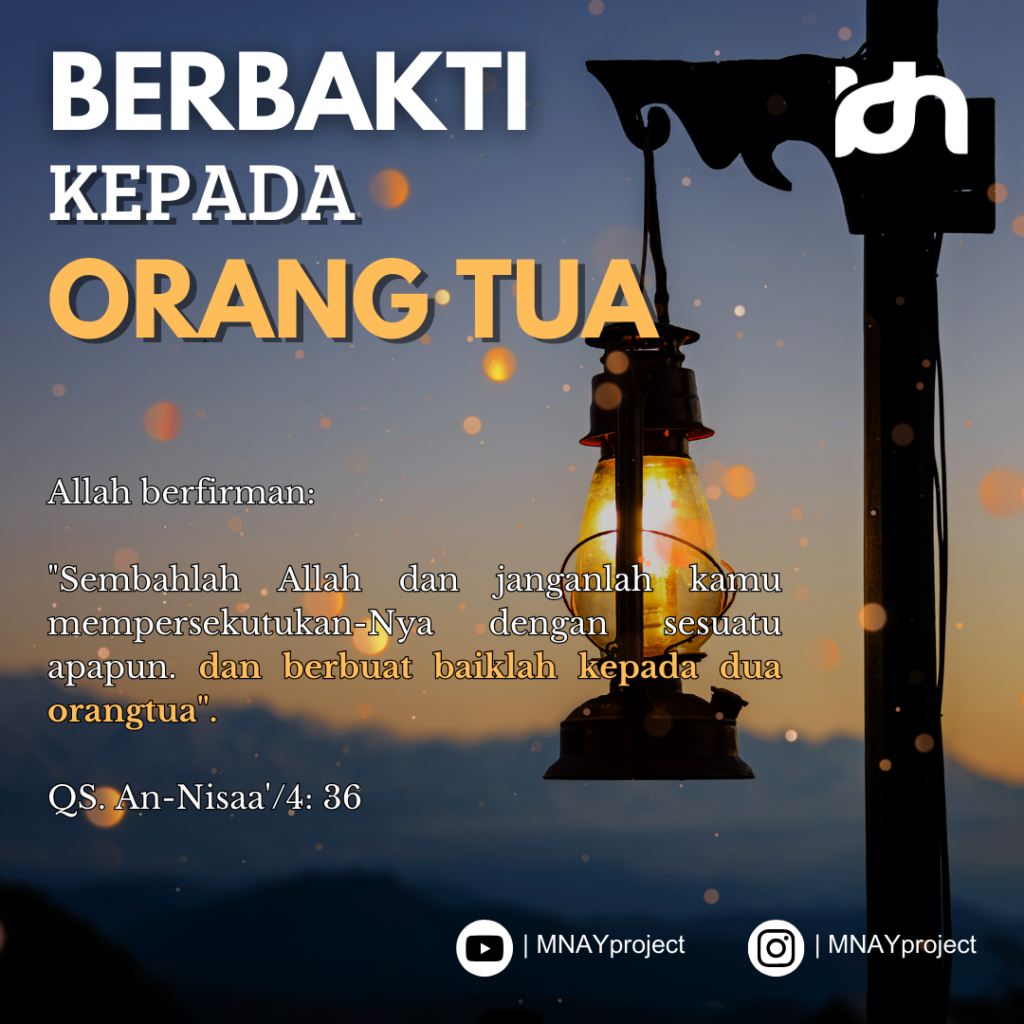
dutiful to parents

Honoring one’s parents is a deeply important concept, particularly in Islam and many cultures around the world. It involves showing respect, gratitude, and care for those who raised and nurtured us. Being obedient to their wishes (as long as they don’t contradict religious or moral principles), taking care of them in old age, and appreciating their sacrifices are key aspects. Disobedience or neglecting them is considered a major sin, while kindness and devotion to parents is rewarded, both in this life and the hereafter.

In Islamic teachings, Birr al-Walidain (righteousness towards parents) is emphasized as one of the highest forms of worship after belief in Allah. The Quran encourages children to be gentle, humble, and thankful towards their parents, even if they face difficult situations.

 

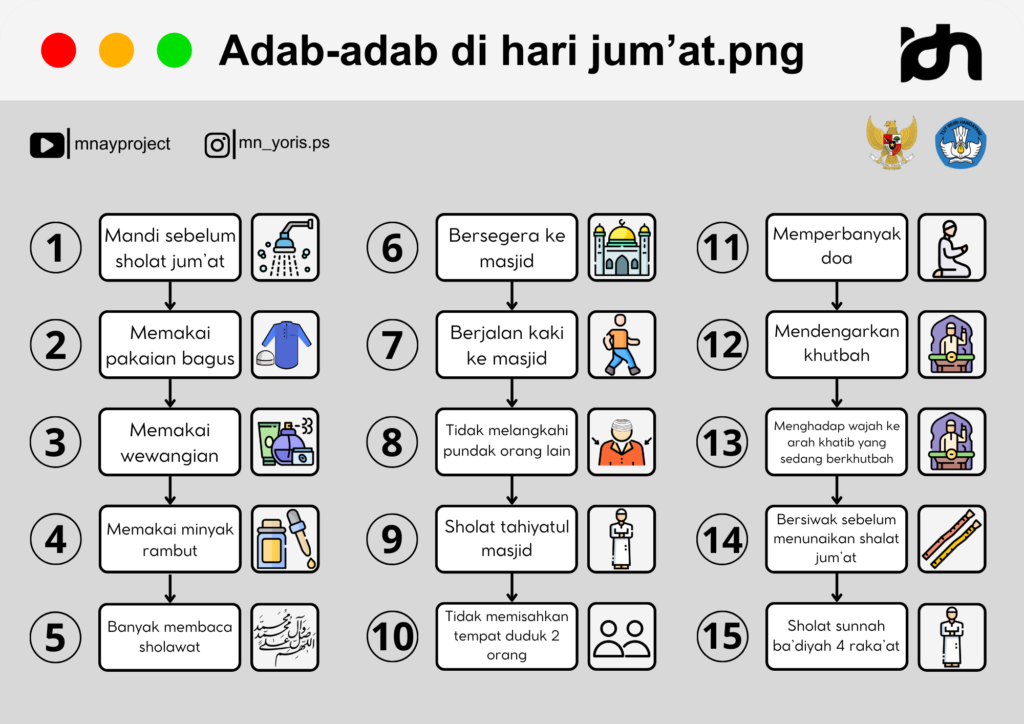
Fikih mindmapping - etiquette on Friday

Adab Poster - Prohibition of Disrespecting Food

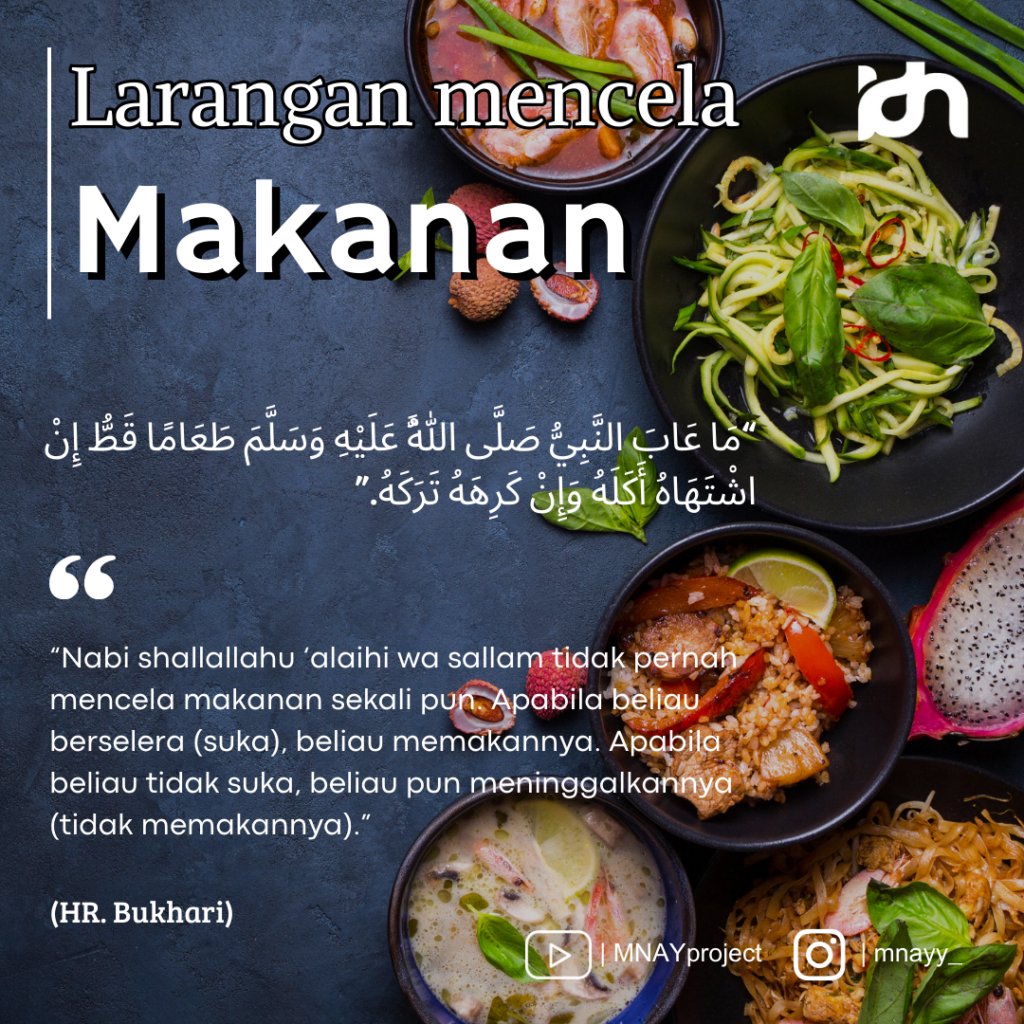
Prohibition of Defaming Food in Islam

In Islam, criticizing food is an act that is not permitted. Rasulullah ﷺ never criticized food. If he likes it, he eats it, and if not, he leaves it without commenting badly.

Hadith from Abu Hurairah radhiyallahu ‘anhu:

God willing may Allah bless him and give him peace and blessings God willing.
(HR. Bukhari no. 3563 and Muslim no. 2064)

Meaning: “The Prophet ﷺ never criticized food at all. If he liked it, he ate it, and if he didn’t, he left it.”

Wisdom and Benefits of Not Criticizing Food:

Appreciating God’s Gifts: Every provision is a gift, and criticizing food means being ungrateful.
Protecting Other People’s Feelings: Especially for those who have cooked or served the food.
Practice Patience and Tawadhu: Not criticizing shows noble morals and a humble nature.
So, as Muslims, we are taught to always be grateful for every meal we are given, whether simple or luxurious.

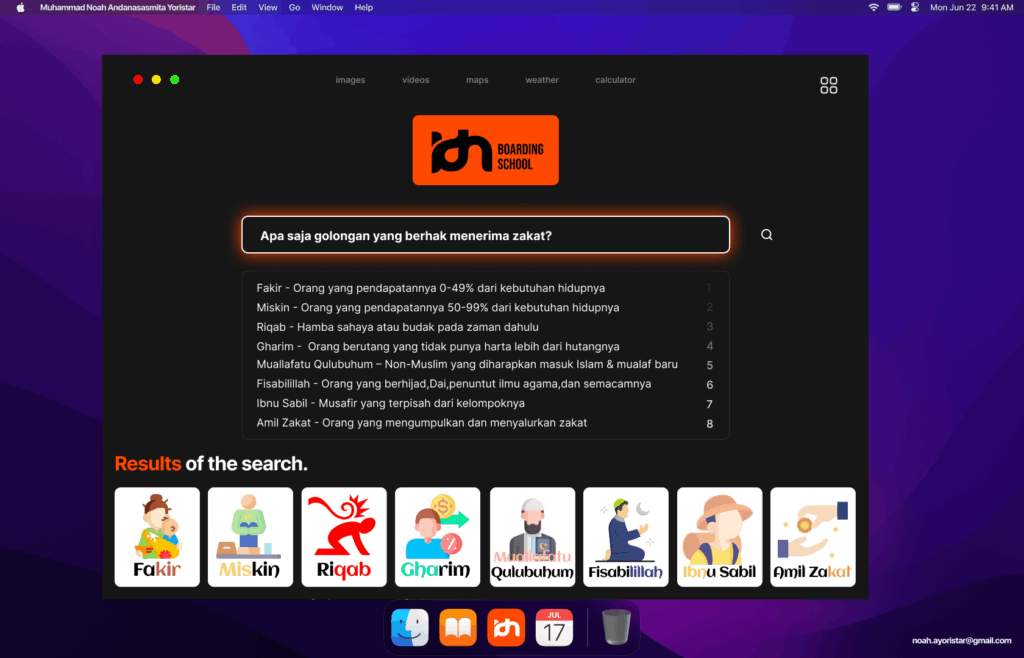
Fikih mindmapping - 8 Groups Who Have the Right to Receive Zakat

In Islam, zakat is distributed to eight specific groups (asnaf) mentioned in the Qur’an, Surah At-Taubah, verse 60:

📖 “Zakat expenditures are only for: (1) The Poor (Fakir), (2) The Needy (Miskin), (3) Zakat Administrators (Amil Zakat), (4) Those whose hearts are to be reconciled (Mu’allaf), (5) Slaves (Riqab), (6) Those in debt (Gharim), (7) In the cause of Allah (Fi Sabilillah), and (8) The Wayfarer (Ibnu Sabil).

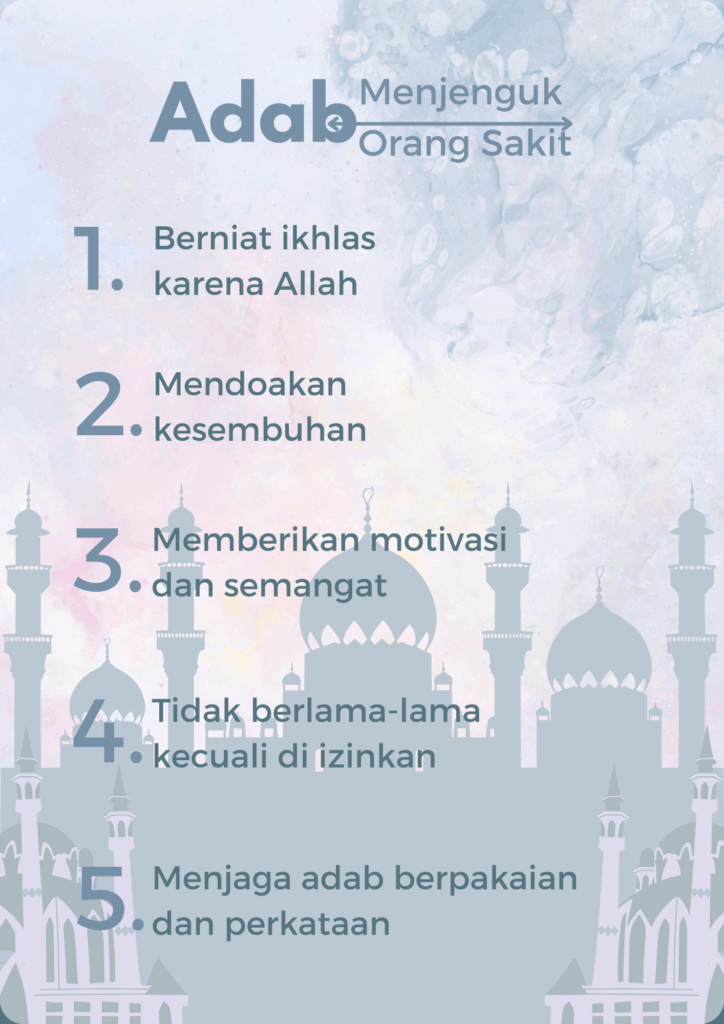
Etiquette for Visiting the Sick

In Islam, visiting a sick person is considered a noble act and a sunnah that brings reward from Allah. It strengthens brotherhood, spreads compassion, and gives comfort to the one who is ill. The Prophet Muhammad ﷺ said: “When the Muslim visits his sick brother, he is harvesting the fruits of Paradise until he returns.” (Narrated by Muslim).

When visiting someone who is sick, there are several etiquettes to observe:

  1. Make sincere intentions – Visit for the sake of Allah, not just out of formality.

  2. Pray for the sick – Supplicate to Allah for their healing with simple duas like “As’alullāh al-‘Aẓīm Rabbal-‘Arsh al-‘Aẓīm an yashfiyak” (I ask Allah the Almighty, Lord of the Great Throne, to cure you).

  3. Bring comfort and optimism – Speak kindly, avoid words that may cause sadness or fear, and remind them of Allah’s mercy.

  4. Keep the visit short – Do not stay too long unless the patient wants it. The purpose is to bring ease, not burden.

  5. Offer help if possible – Such as helping the family, bringing food, or supporting in any way needed.

By following these etiquettes, visiting the sick becomes not only an act of kindness but also a means of gaining Allah’s pleasure and mercy.

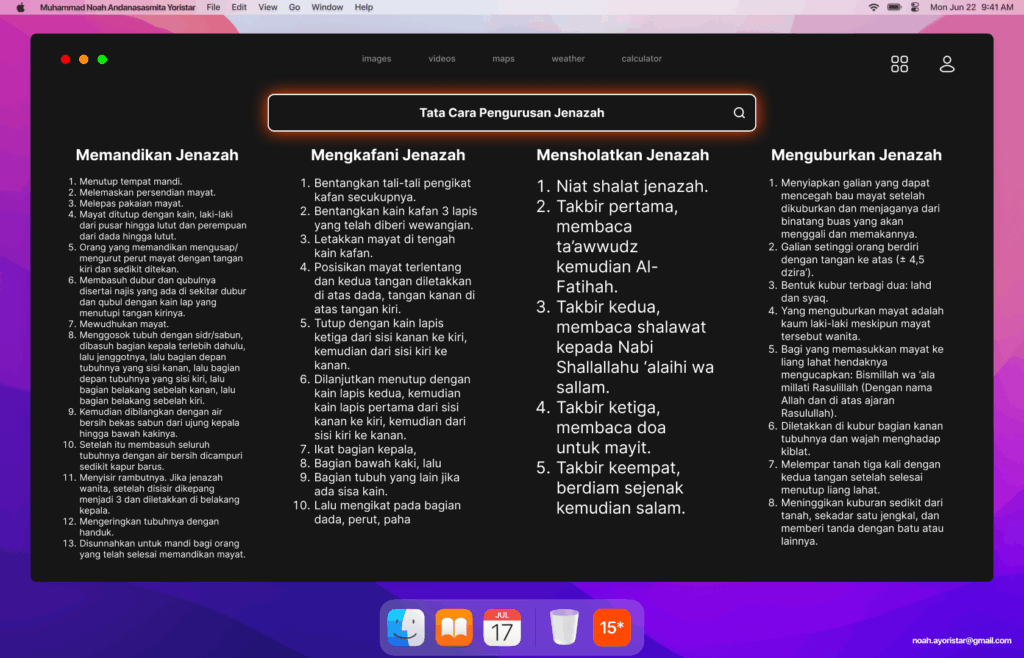
Fikih mindmapping - Procedures for Handling Corpses

In Islam, handling the body of the deceased is a collective obligation (fard kifayah). The main procedures include washing the body (ghusl), shrouding it with clean white cloth (kafan), performing the funeral prayer (shalat janazah), and then burying it respectfully. These steps are done to honor the dignity of the deceased and to fulfill their rights as a Muslim.

The washing is done gently and with modesty, while shrouding is simple without extravagance. The funeral prayer is offered to ask Allah’s forgiveness for the deceased, and the burial should be done as soon as possible. These practices reflect mercy, respect, and the reminder that all humans will return to Allah.

Tahsin - Reading Al - Qur'an

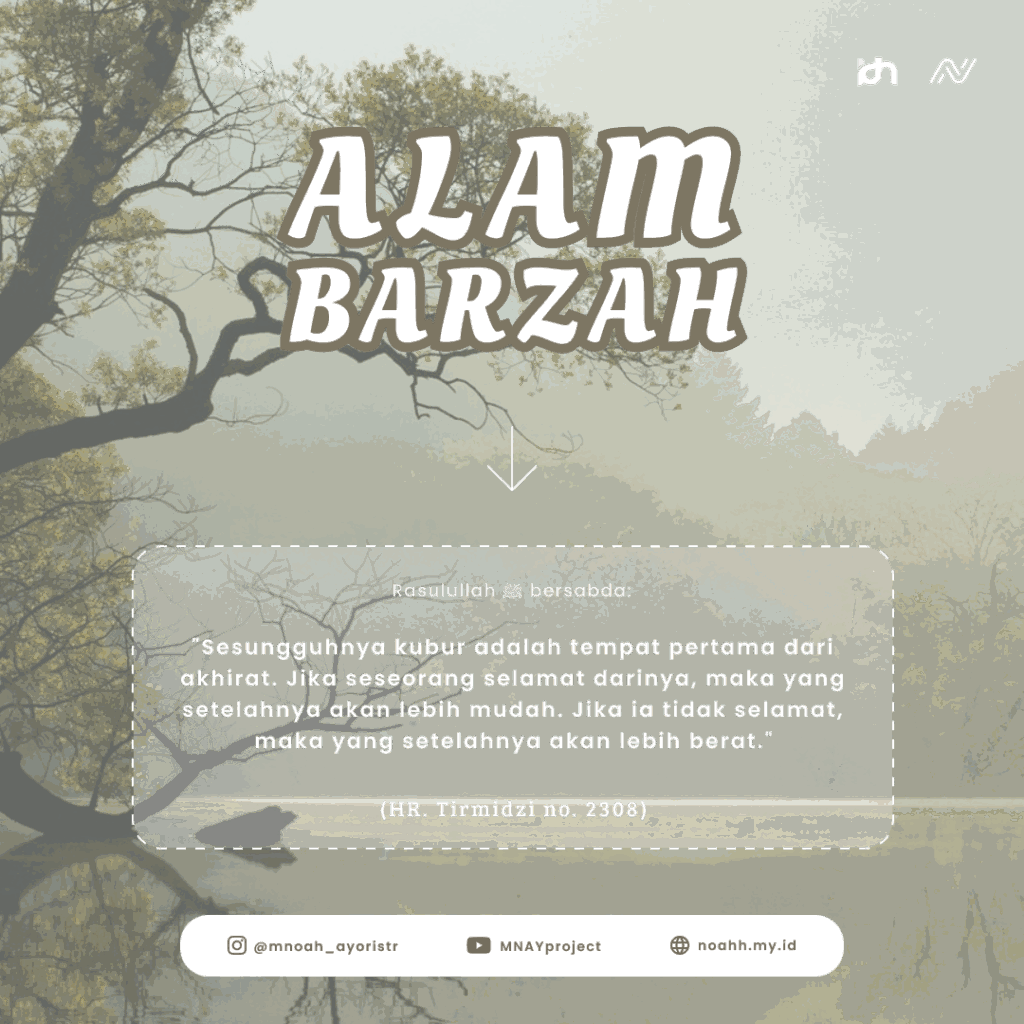
Aqidah poster - The Intermediate Realm

Barzakh is the stage of life between death and the Day of Resurrection. When a person dies, their soul enters this realm, where they wait until the final judgment. In Barzakh, the soul experiences either comfort and peace for the righteous or punishment and regret for the sinful. It is a reflection of how they lived their life on earth.

The grave is considered the first station of the afterlife, and what happens there is a sign of what awaits in the Hereafter. Believers are advised to prepare for Barzakh by doing good deeds, seeking forgiveness, and strengthening their faith. This unseen world reminds us that life after death is real and eternal.