Iot/Robotics
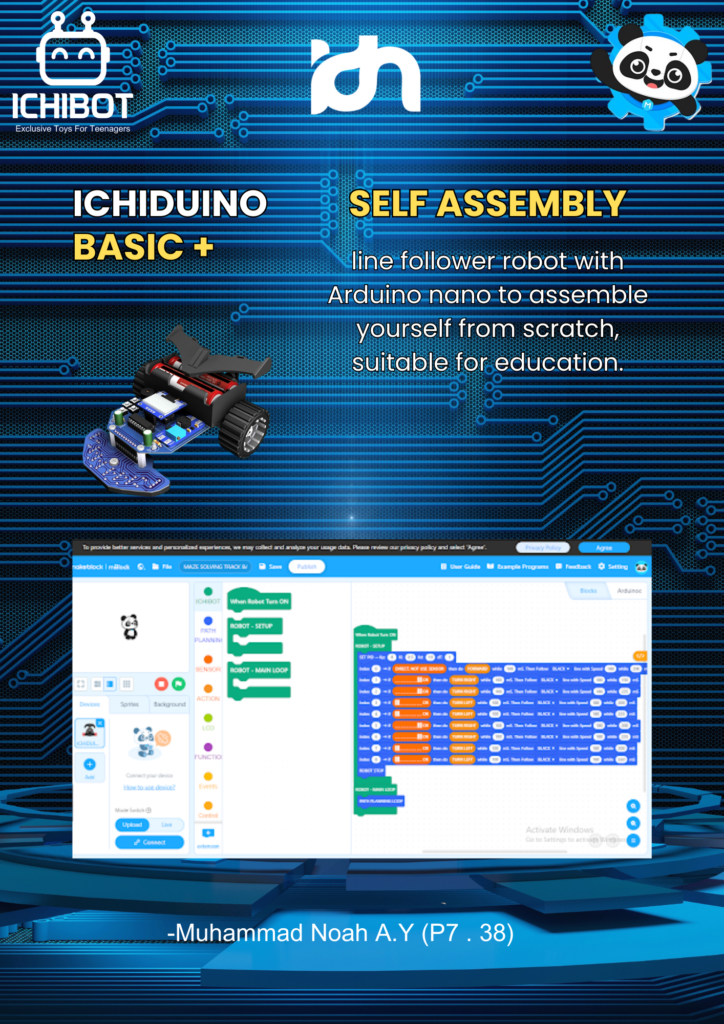
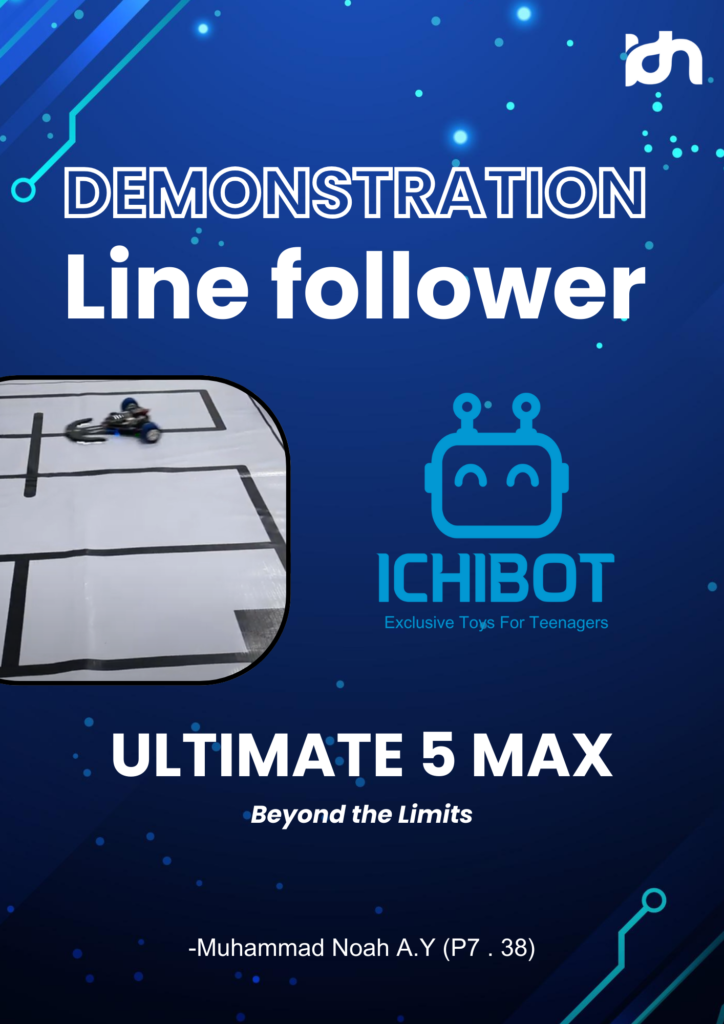
The Ichibot Line Follower is a type of educational robot designed to follow a path or line, typically a black line on a white surface, using sensors to detect the line’s position. It uses infrared or light sensors to differentiate between the line and the background, allowing the robot to adjust its movement and stay on course.
Ft. Fawwaz
The Ichiduino Maze Solving Robot is an educational robot designed to navigate and solve mazes using various algorithms and sensors. It operates by detecting walls and pathways in the maze with sensors like infrared or ultrasonic sensors, allowing it to determine the correct route.
Ft. Fawwaz
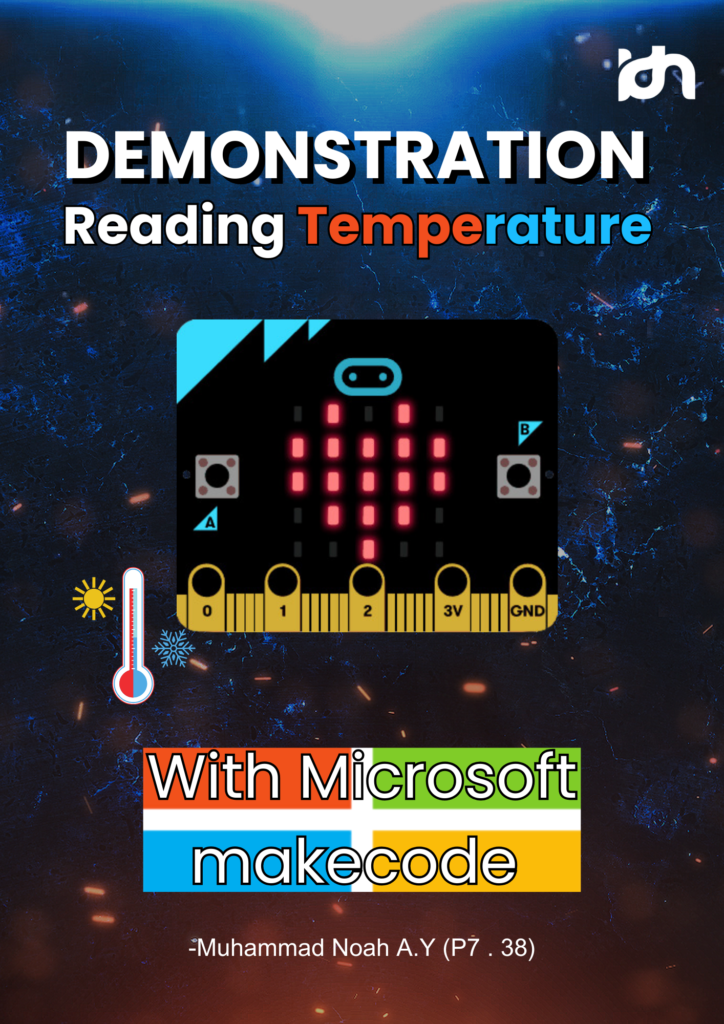
involves using its built-in temperature sensor, which is actually part of the micro
‘s main processor. The sensor measures the temperature of the device itself, which is often close to the ambient room temperature.
To read the temperature, you can write a simple program using block-based coding in Microsoft MakeCode or Python. The micro can then display the temperature in degrees Celsius on its LED screen, or you can send the data to other devices for further use.
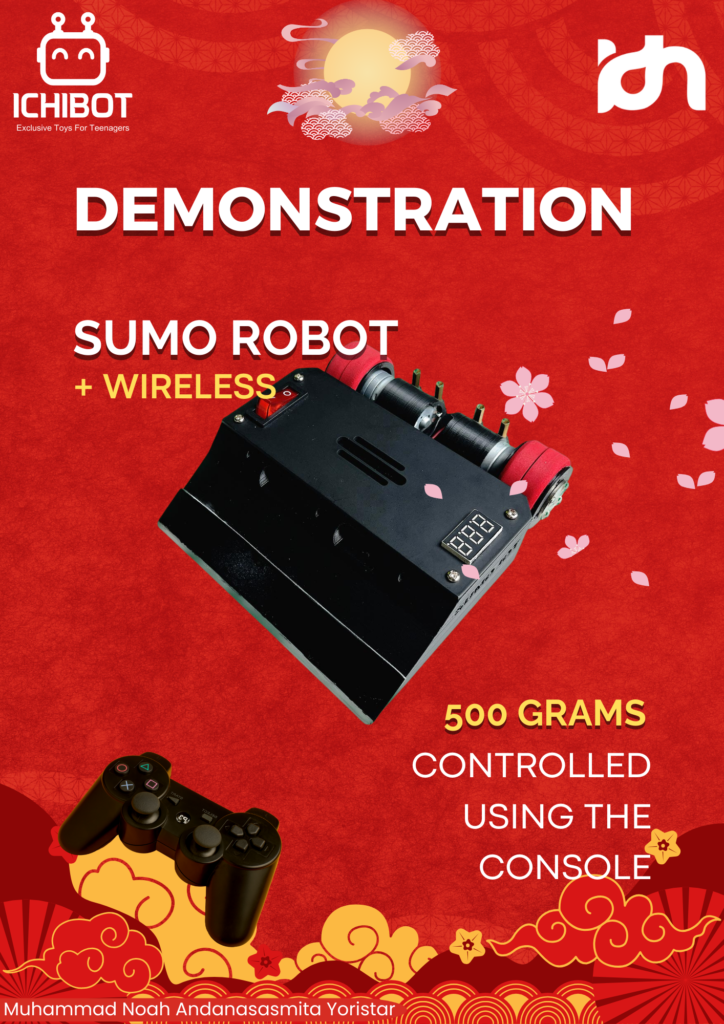
The Ichiduino Sumo Robot is a compact, durable robot designed for sumo wrestling competitions. Built with a sturdy chassis and high-torque motors, it’s agile and powerful, ideal for pushing opponents out of the ring. Equipped with sensors like infrared or ultrasonic, the robot can detect opponents and avoid boundaries.
Programmed via Arduino-compatible software, it’s highly customizable, allowing users to refine movement and strategy. The robot serves as both a competitive tool and an educational platform, helping users learn robotics fundamentals, sensor integration, and coding.
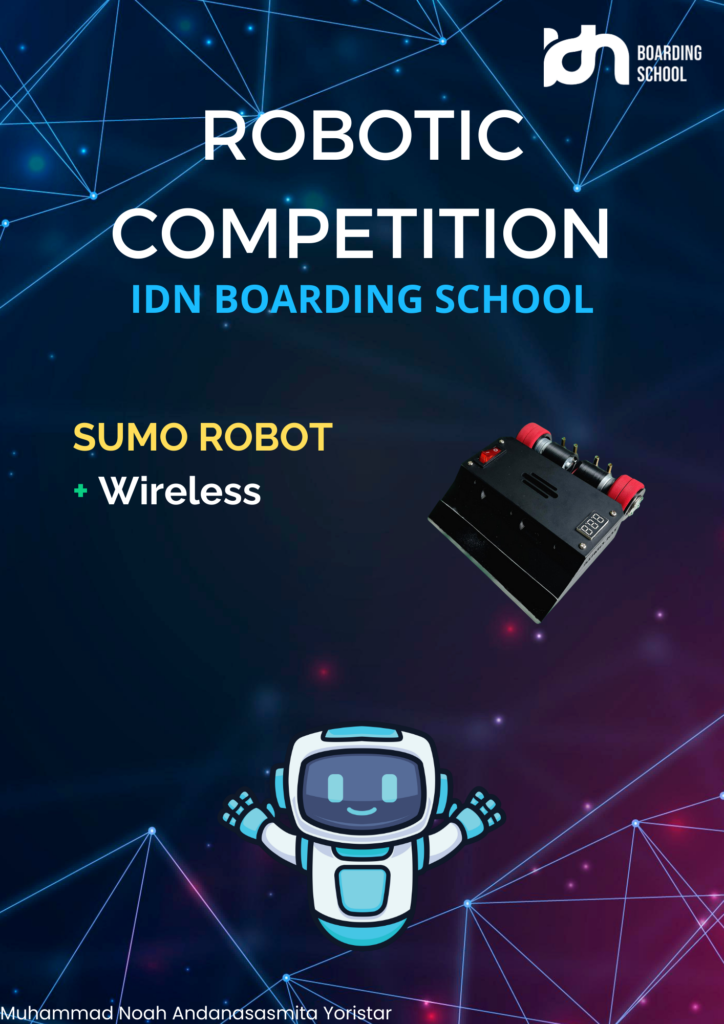
Robot Competition refers to organized events where robots, typically designed and programmed by individuals or teams, compete in specific tasks or challenges. These competitions aim to promote innovation, teamwork, and technological advancement, often in a fun and educational environment.
Robot competitions not only drive technological progress but also inspire participants to pursue careers in STEM (Science, Technology, Engineering, and Mathematics) fields while fostering creativity and innovation.
4oProgrammed via Arduino-compatible software, it’s highly customizable, allowing users to refine movement and strategy. The robot serves as both a competitive tool and an educational platform, helping users learn robotics fundamentals, sensor integration, and coding.
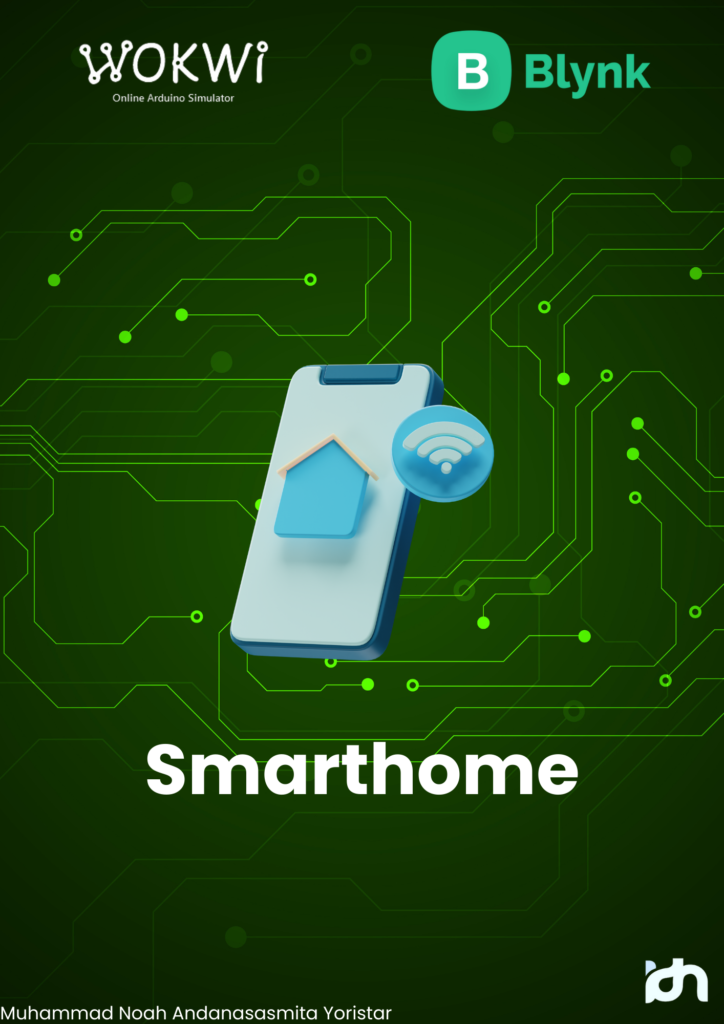
Wokwi is a virtual environment for simulating electronic circuits and microcontroller projects. It allows you to build and test smart home systems without needing physical hardware. Key features for smart home applications:
- Microcontroller Support: Simulates Arduino, ESP32, or other devices commonly used in IoT projects.
- Sensors and Actuators: Virtual sensors (like temperature, light, or motion) and actuators (like LEDs, relays, or motors) can represent real-world devices.
- Circuit Building: Drag-and-drop interface to connect components and upload code for testing.
Example: A virtual ESP32 can simulate controlling a light based on motion detected by a virtual PIR sensor.
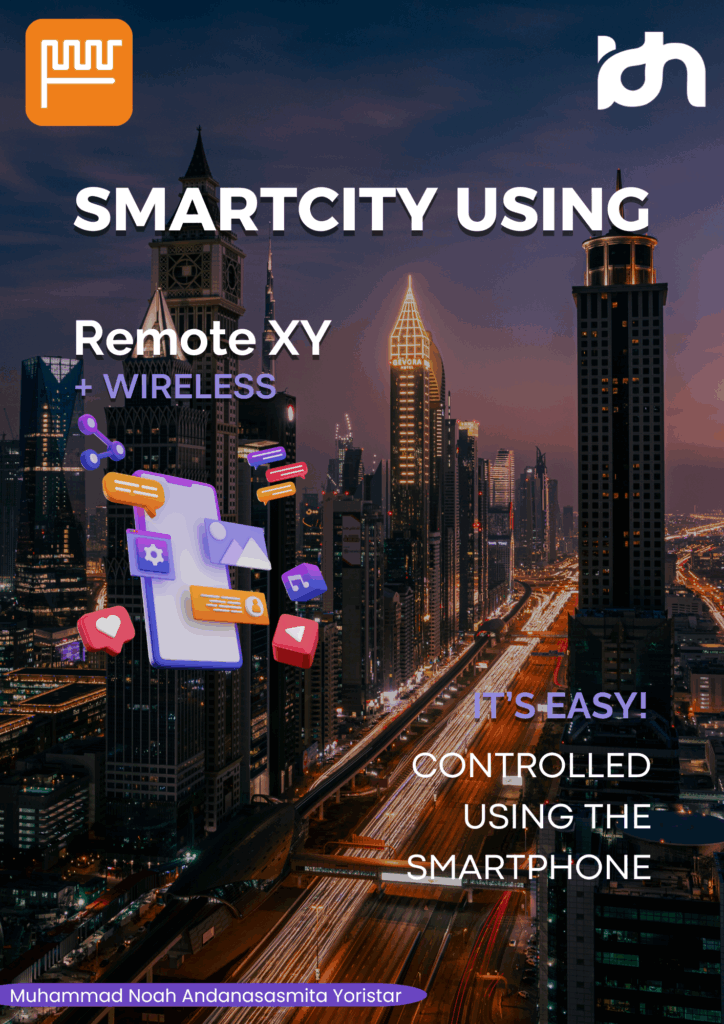
A Smart City using Remote XY integrates modern technology to enhance urban management and services through remote monitoring and control. Remote XY is a platform that enables users to create customized mobile interfaces for controlling various devices via smartphones. In a Smart City context, this technology can manage infrastructure like street lighting, traffic signals, and public transportation systems. By connecting IoT devices through Remote XY, city administrators can monitor and adjust services in real time.
One of the key benefits of using Remote XY in Smart Cities is the ability to centralize control through user-friendly interfaces. For instance, waste management systems can be monitored to ensure timely collection, while public safety features like surveillance and emergency alerts can be managed remotely. Additionally, energy management becomes more efficient as streetlights and public buildings can be automated based on real-time data.